
Unlocking Peace
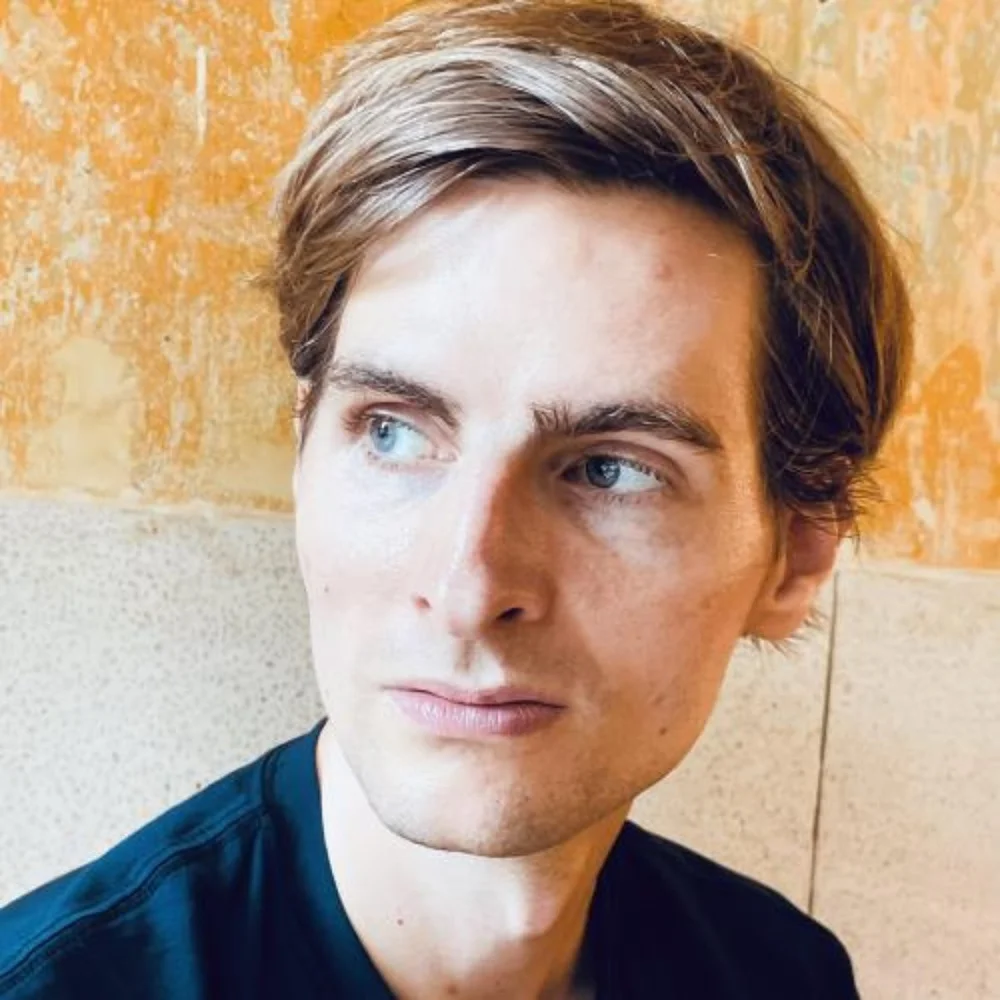
Mikaeli Langinvainio at Inclus
In late 2018, a peace dialogue in Yemen hit the kind of wall mediators see often: political differences had brought the conversation to a standstill.
Rather than pushing harder on the same entrenched positions, the facilitators tried something else. They asked stakeholders to set the present aside and review what previous agreements could be built on if approached differently. They wanted to know what mattered most to them, and what issues drove the conflict.
That’s when the fog began to lift: The parties fed the responses into a software platform called Inclus. The technology ran a cross-impact analysis, generated a visualization of the results, and surfaced for the first time in these talks which factors would best resolve outstanding issues, providing a commonly owned roadmap for a way out of conflict.
Mikaeli Langinvainio and his colleagues built that software. An early proponent of PeaceTech, Mikaeli started in 2006 at a private diplomacy organization CMI founded by former Finnish President and Nobel Peace Prize winner Martti Ahtisaari in Helsinki in 2000.
Mikaeli went on to spend more than 20 years in peace mediation and risk management, working across some 20 countries on three continents, eventually rising to senior manager at CMI and leading its Methods and Tools unit alongside colleague Juha Törmänen.
The unit’s job was the unglamorous, essential work behind every mediation: mapping who the actual stakeholders were, what they wanted, and how the peace process should be structured around them to advance one step at a time.
Traditional mediation work kept running into the same wall. Endless dialogues, spreadsheets and slide decks weren’t built to hold the genuinely contradictory views of dozens of stakeholders in a live negotiation, let alone show everyone, visually, where they actually agreed.
So Mikaeli and Juha started building something else inside CMI: A digital tool, which they later called Inclus, designed specifically to collect and visualize that kind of fractured input.
By early 2016 the tool had outgrown its original home at CMI, so they spun it out as an independent company, born jointly from CMI and Aalto University.
Mikaeli described the underlying philosophy plainly: In tense negotiations there’s hardly ever one right solution for all; the goal is to build common understanding through technology by surfacing every perspective on complex problems in the room rather than averaging them away.
Even as an outside vendor, Inclus kept returning to the work it was built for in partnership with CMI. For example, CMI’s mediators developed a digitally enhanced foresight methodology built around the platform, applying it in dialogue processes, for example, in Libya, Moldova, Iraq, and Israel - Palestine. More recently, Inclus has been used in the Southern Caucasus, where Armenian stakeholders used Inclus to map scenarios to support peace and security, and in Ukraine to address the consequences of Russia’s invasion as well as questions of security, economy, and social cohesion.
Today, Inclus has grown well beyond peace mediation, with corporate clients like Skanska and Deloitte using it for project and enterprise risk management. The same kind of multi-stakeholder and multi-factor complexity Mikaeli first learned to untangle at CMI are now applied to business risks of corporations instead of warring factions in political conflicts. But the original work hasn’t gone anywhere. Inclus continues its active collaboration with CMI and other peace brokers to this day, along with the UN and the OECD High-Level Risk Forum. A reminder that the tool built to help conflict stakeholders is, a decade later, still the same one with constantly new and more powerful AI-enabled features developed, tested, and applied every day both toward peace and business processes alike.
Explore More Founder Stories
“Who?“ and “Why?“ are much more important questions to us than “What?“ or “How?”


PEACETECH
|
VENTURE CAPITAL
|
WORLDWIDE
|
PEACETECH | VENTURE CAPITAL | WORLDWIDE |